
The Herd Takes the Road
Two riders, a pair of dogs and a band of cattle take the pavement, and the traffic on a two-lane road stops for the oldest reason there is.
Midmorning, and the first cow steps onto the pavement.
It is the season when the herds come down off the high country. The air is cool and dry, the sky the pale blue of fall over the basin, and the road is a two-lane blacktop that goes a long way without turning. There is no wind.
What comes first is the dust, a low brown haze hanging over the sagebrush just off the road. Under the haze the shapes take form: a white-faced cow, then another, then a small bunch at the lead, walking out of the two-track and across the gravel shoulder. Behind them the rest of the herd is strung out into the basin until the last of it is lost in the shimmer where the ground meets the sky.
Two riders work the edges, one on a bay horse, one on a roan. They move at a walk, patient, letting the cattle find the road on their own. They wear broad-brimmed hats and leather chaps over dusty jeans, and their horses are the kind that stand still when the work is standing still. A border collie keeps low behind the drag, eyes on the heels of the slowest cows. A blue heeler works the flank, close enough to touch if it wanted.
The lead cow is the old one, white-faced and heavy, and she settles into the crossing as if she has done it every fall of her life. Hooves on pavement make a different sound than hooves on dirt. The sound is a clack, steady and hollow, and it carries in the dry air before the smell does.
The road stops
The first car to reach the crossing is a pickup hauling an empty stock trailer. It stops well short and sits idling. Behind it a sedan pulls up, and behind the sedan a semi, and the air brakes let go once, then nothing.
On the far side of the herd, a car with two kayaks on the roof has pulled off onto the shoulder, its driver standing with one foot on the ground. One by one, the engines shut off. Nobody honks.
Behind the semi, a second pickup has come up and stopped, and its driver sits with the engine running a moment longer than the rest before he too reaches for the key.
Every new arrival does the same thing: stops, watches, and after a moment turns the engine off. The man in the pickup rolls his window down and turns the radio off. The driver of the semi sits with both hands on the wheel and watches the cattle pass his grille. A child in the sedan stands up through the sunroof to see the herd whole, and counts, and stops counting when the cattle get too wide to hold.
With the engines off, the road goes quiet in a way roads almost never are. What is left is the clack of hooves, the low breathing of cattle, and once in a while a rider's voice, one syllable, calm. The driver of the kayak car leans against the door and watches like the rest of them.
The herd
They are ranch cattle, some black, some white-faced, heavy in the rib and slow. They cross in a loose band wide enough to fill the road.
The calves keep to their mothers' flanks, and the mothers walk with their heads up, looking at the stopped cars the way cattle look at anything: without alarm, taking it in.
In the middle of the band a bull walks with his head low, and the cows leave a space around him, and he uses it. He is black, wide in the chest, and the only sound he makes is the clack of his hooves.
The riders do not shout. They talk to the cattle in a flat register, one low word at a time, and the cattle lean away from the sound the way they would lean away from a hand. The collie works in a crouch, quick when it needs to be, and its eyes never leave the herd. The cows turn their heads toward it without changing stride. The heeler brings back the ones that break for the shoulder.

The smell arrives ahead of the herd and stays after it: warm dust, manure, the sharp ammonia of urine, and the particular smell of hide and sweat. It reaches the stopped cars in waves — the dust, then the manure, then dust again.
The wait
The herd takes its time. A cow stops in the middle of the road and scratches an ear with a hind hoof, and the rider on the bay horse waits for her. Another lifts her head and bawls, and the sound runs down the length of the herd and is answered twice before it dies.
A calf finds its mother's side again and butts at her, and the mother steps on without slowing. Flies work the manure that is already on the pavement. On the shoulder, saddle leather creaks when one of the riders shifts his weight, and a horse coughs.
On the gravel shoulder the heeler sits and scratches, and then lies flat with its chin on its paws, watching.
The shadow of the pickup shortens, and the sun moves past the top of the mirror. The semi idles, its stack breathing a little heat. The man in the pickup rests his forearms on the wheel. The child has sat back down and watches with her chin on the door sill.
The crossing takes as long as it takes. The drivers sit in the stopped cars and watch it happen, and no one starts an engine early.
The last of them
The end of the herd comes the way the beginning did: a few head at a time, then the drag. The last cow steps off the pavement and into the sagebrush on the far side, and the band widens out again, the lead animals already grazing with their heads down, as if they had never been on pavement.
The collie brings up the last calf, a black one, and delivers it to its mother in the brush. The heeler lies down at the edge of the asphalt, tongue out, and watches the riders turn their horses to face the road.

The rider on the roan turns in the saddle and looks back along the line of stopped cars to the last of the drag. The rider on the bay horse lifts a hand. It is not a wave exactly — palm open, held at shoulder height, a gesture that could mean thanks, or only that it is done. Then he turns the horse and follows the herd, and the roan closes up the far side.
The dust drifts across the road after them, thin and slow. It settles on the stopped cars, and the drivers watch the herd string out into the sagebrush until the shapes go back to being heat shimmer.
The road after
For a mile the road is covered.
Manure lies flattened and pressed into the asphalt, with the mark of hooves through it. Clods of dirt from the two-track and the fine gray dust of the basin lie in the wheel tracks. A dark stain runs down the pavement, and the smell of it hangs at ground level. The flies find it before the cars move.
The man in the pickup rolls his window up before he pulls out. The pickup starts first, then the sedan, and each one moves forward into the dust with the smell coming in through the vents.
The semi is the last to move. It rolls through the stain slowly, both hands on the wheel, until the crossing is behind it.
The road will carry the mark of the crossing until the next rain. The rain will carry it to the edge of the pavement, the grass at the roadside will take it in, and the dark mile will be gone. Until then it lies on the asphalt, pressed flat and drying in the sun — the road is what the herd left of itself.
From the shop
Picked for this story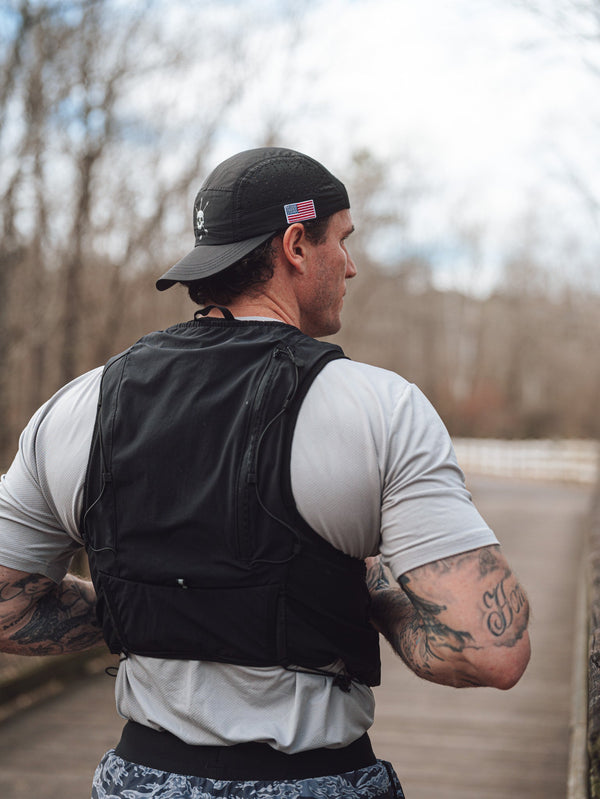
Distance Cap in Black
$39.99
Velvet Pearl Beaded Puff Sleeve Top
$21.14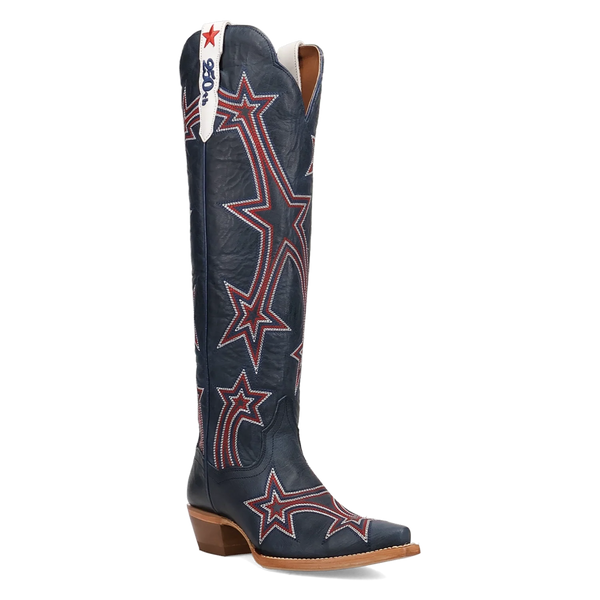
Dan Post America 250 Leather Cowgirl Boots
$232.99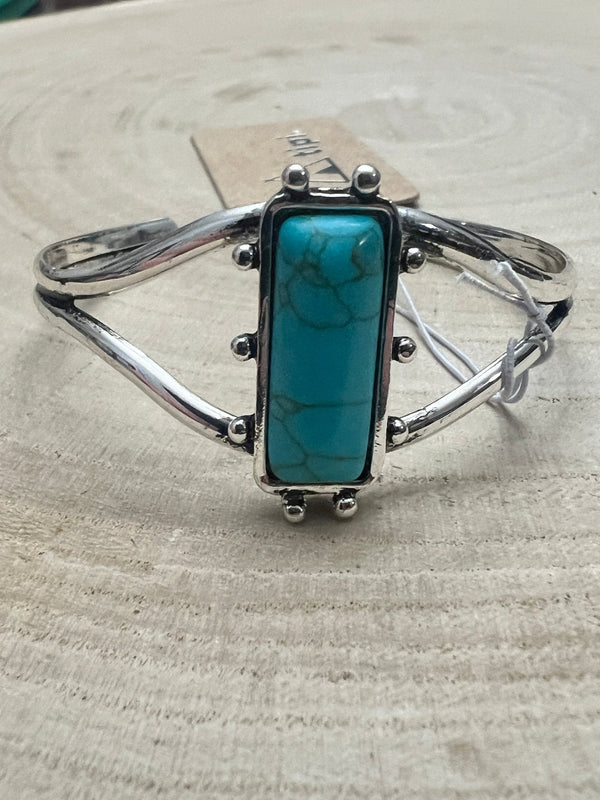
Western Silver Faux Turquoise Rectangle Stone Cuff Bracelet
$18.99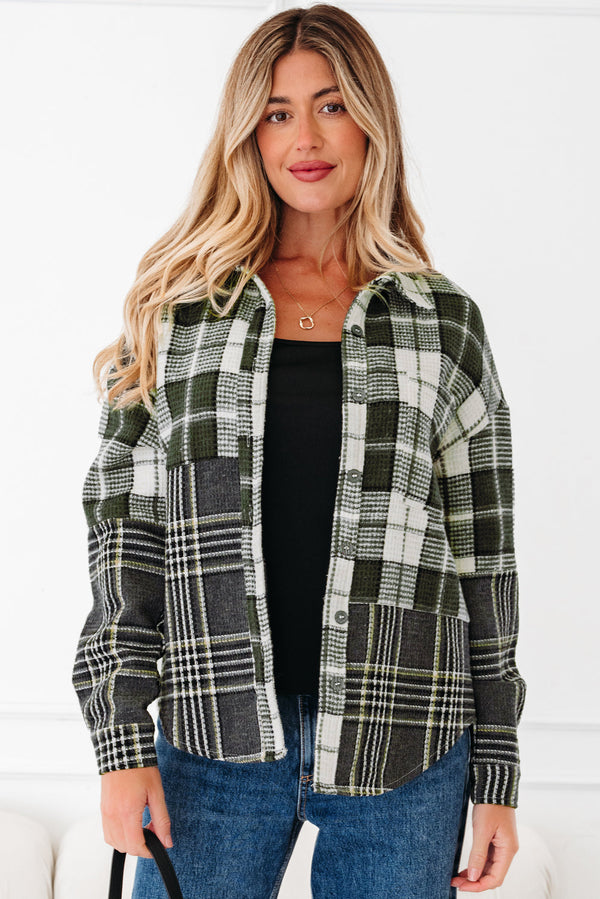
Plaid Textured Knit Button-Up Shacket
$22.88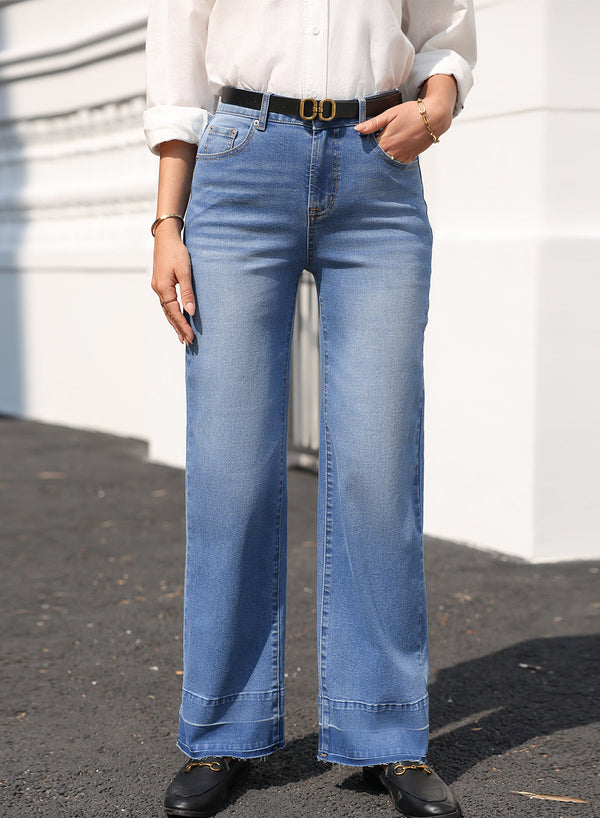
Denim Raw Hem Straight Leg Jeans
$28.04
Solid Button-Up Scoop Neck Dress
$23.02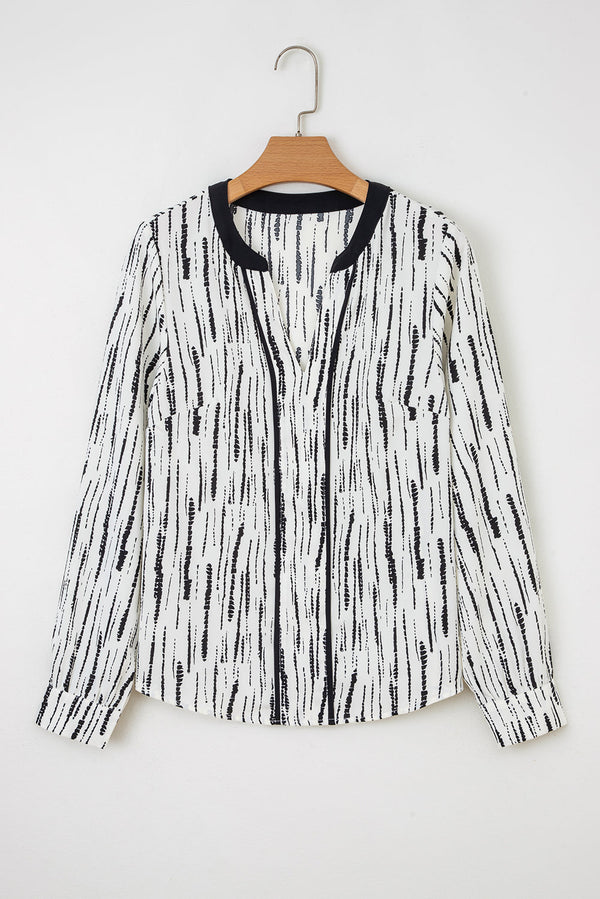
Abstract V-Neck Long Sleeve Blouse
$14.87Read next
More from On the Road
Changing a Flat on a Gravel Shoulder
Somewhere in the West, on a gravel shoulder, the spare tire is low on air and the work follows a strict order.

Pitching a Tent in a Hard Wind
The order of work in a hard wind: find the lee, stake the upwind side first, lay a rock on every stake before the wind gets under the fly.

The Last Light on the Creek
The truck pulls off at an unmarked bridge, and the day's driving gives way to cold water and the last light.