
Pitching a Tent in a Hard Wind
The order of work in a hard wind: find the lee, stake the upwind side first, lay a rock on every stake before the wind gets under the fly.
Pitching a tent in a hard wind starts with the wind itself — a dry, steady push out of the high desert that flattens the rabbitbrush and carries the grit of the valley floor in a thin, stinging layer. The work is a sequence of small defenses — the lee, the staked side, the rocks — and each one has to hold before the next begins.
Finding the lee
The camper walks the ground with his back to the wind, looking for a dip, the downwind side of a ridge, a stand of juniper thick enough to break the gusts. He reads the wind off the land: the sage all bent one way, the sand streaked in long lines, the dry grass combed flat where the gusts have raked it. He checks what is overhead, too — a dead limb in a cottonwood will come down in the first big blow of the night. The spot he settles on is the low place between two rises, where the wind has already scoured the ground bare and the dust lies settled instead of moving.

Laying out the tent
The tent is laid out with the door downwind and the long axis into the wind, so that the wind meets the narrow end first, not the whole broad side of the wall. The fly is spread over the footprint, the corners pulled straight until the creases sit square. A loaded pack goes on the middle of the floor to hold the fabric against the ground while the stakes go in. The ground sheet lies flat, its windward edge pressed down along the full length, and the camper runs a hand under it to be sure no pebble is going to push through.
Staking the upwind side
The windward corners are staked first, then the windward edge, then the lee side not at all — not until the poles are up. The camper works with his back to the wind, the gusts coming over his shoulder, driving each stake at an angle so it leans into the pull and cannot be lifted straight out of the dirt. He drives to the head, using the flat of a rock for a hammer, and when he is done the whole upwind side of the tent is pinned to the ground at every loop, the fabric drum-tight against the earth.

Raising the poles
The poles go through the sleeves from the windward end, and the tent comes up into the wind. With the upwind side already staked, the fabric cannot skate across the ground; the poles seat in the grommets one at a time, and the tent stands on its pinned corners while the leeward side still lies loose, lifting and falling against the dirt. The fly is pulled over and clipped down, and the tent holds its shape — cramped, low, but standing against the push of the gusts.
Tying the guylines
The guy points on the windward side are tied off first, the lines running out at angles from the corners so the pull of each line braces the one next to it. Each line is hauled taut and tied to its own stake or, where the ground is packed too hard for a stake, to a rock sunk an inch into the soil. The camper sets the tension by plucking — a line that rings is right, a line that sags is not. When he steps back, the fly is pulled out against the poles in every direction, and the guylines run from the tent like the stays on a mast.

Laying the rocks
Before the wind gets under the fly, the camper gathers rocks the size of two fists, loading the front of his jacket and carrying them back to the tent. He lays one on every stake, seating the stone against the stake head where it meets the dirt, so the stake cannot work loose under the constant pull. In sandy ground a stake will rise an inch in an hour without the weight. He works around the whole tent, windward side first, and finishes with the guylines, laying a rock on each of those stakes too.
The last pull
The camper goes around the tent one more time. The fly straps are pulled tighter, the leeward corners pegged where the ground allows, the guylines re-checked for sag. Then he stands back and watches for a full minute. The walls should not slap. The fly should not lift at the edge. The gusts come off the ridge in waves, and the tent takes each one on the narrow end, the guylines pulling, the rocks holding. The tent rides the gusts in the lee of the ridge, its narrow end to the wind, a rock on every stake.
From the shop
Picked for this story
Debut Sports Bra in Gray
$34.99
Love All-over Print Windbreaker Jacket
$12.99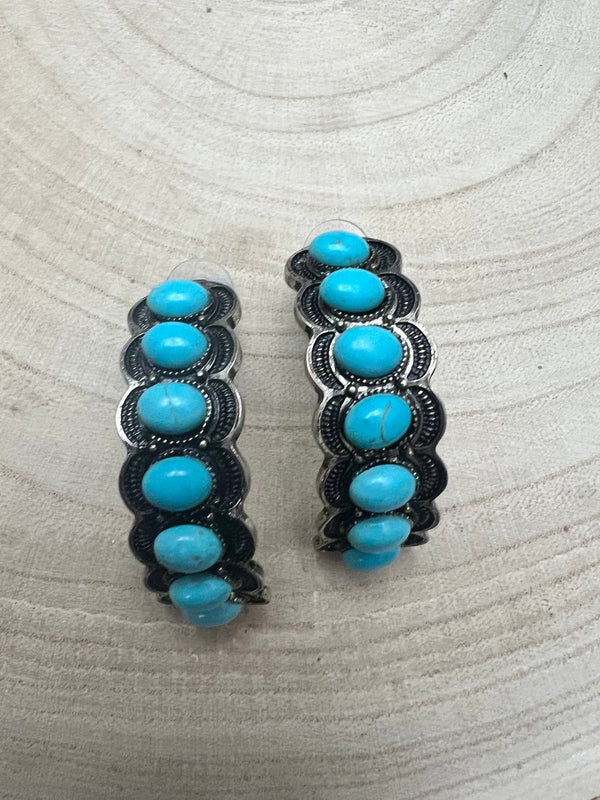
Western Faux Turquoise Oxidized Stamped Hoop Earrings
$18.99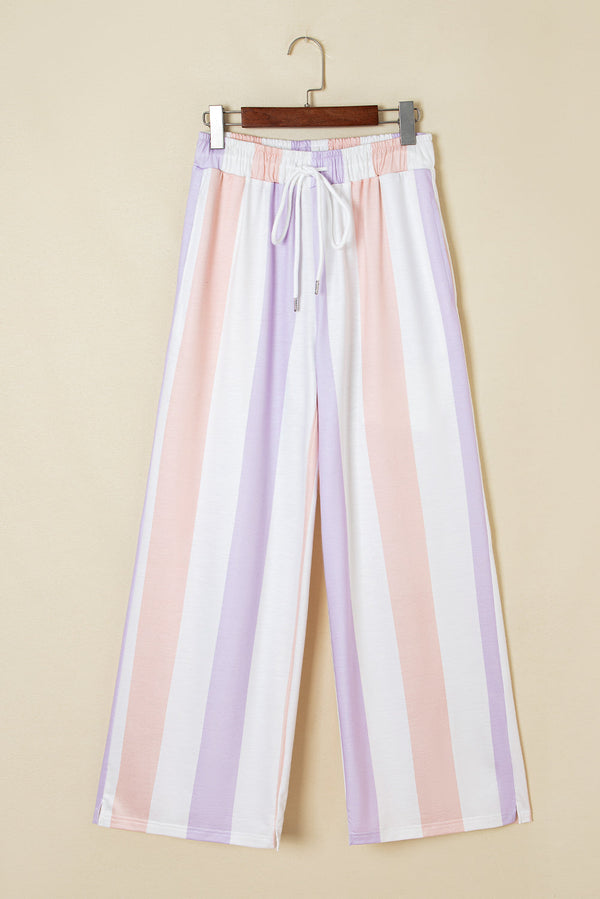
Stripe Drawstring Waist Side Pocket Pants
$18.65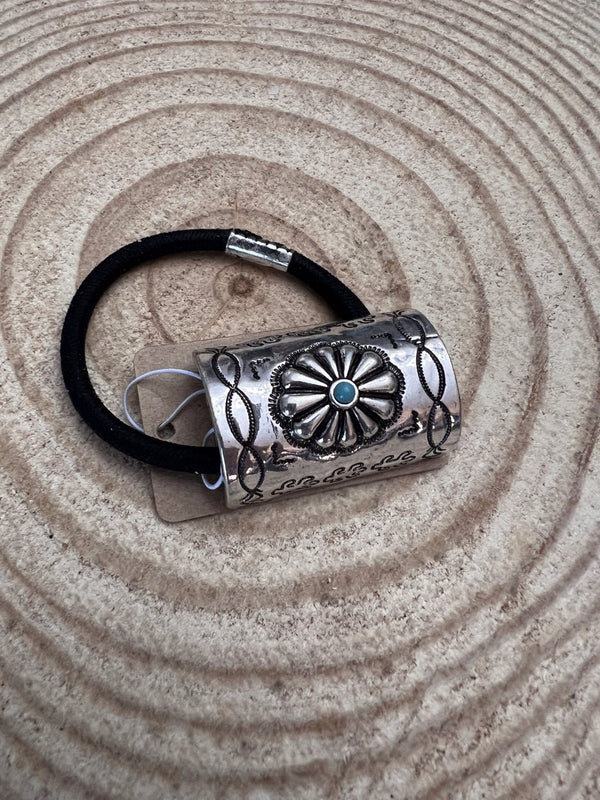
Western Concho Faux Turquoise Stone Hair Tie
$13.99
Western Aztec Sherpa Quarter-Zip Collared Sweatshirt
$29.10
Floral Puff Sleeve Ruffle Hem Babydoll Dress
$27.41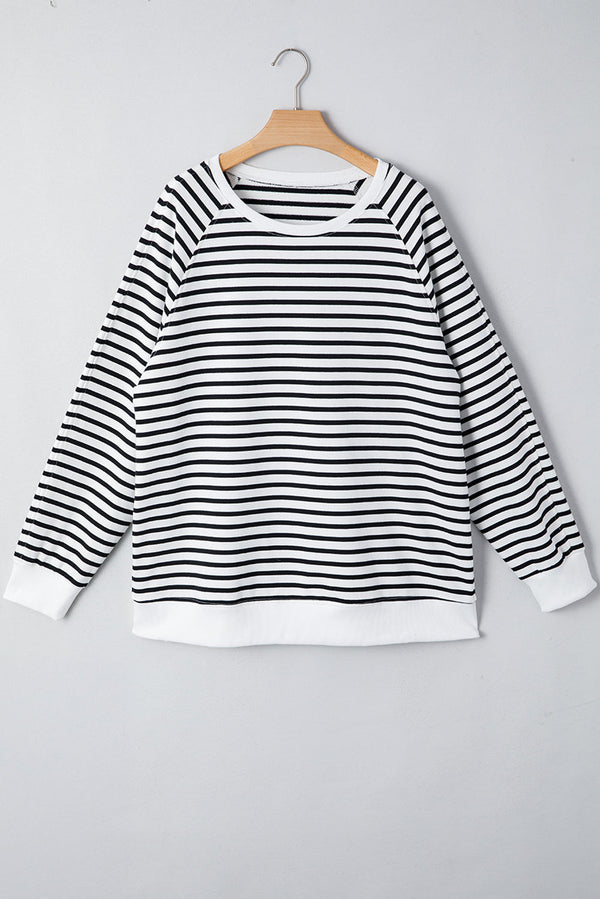
Stripe Raglan Sleeve Side Slit Sweatshirt
$20.76Read next
More from On the Road
The Last Light on the Creek
The truck pulls off at an unmarked bridge, and the day's driving gives way to cold water and the last light.

The Cooler in the Truck Bed
The cooler takes ice at every stop, lets the meltwater run at the roadside, and by day six carries one orange and the last slab of ice.

The Brown Wall Comes Across the Flats
A dust storm rolls over a western highway, and the crossing is blind until the road runs out into a clean, hard sky.