
The Last Light on the Creek
The truck pulls off at an unmarked bridge, and the day's driving gives way to cold water and the last light.
The rod case lies on the tailgate, its zipper half pulled back. The sections are out, ferrules seated with a soft click, the reel already screwed tight. The truck door stands open to the sound of the water.
Beyond the bridge rail the creek runs low and clear, the color of old window glass. It has been a long day of asphalt and crosswinds, of towns with the same gas stations, of the horizon going nowhere. This bridge was not on the map. It is a county bridge, unmarked, the pavement worn to gravel at the edges, and the water underneath has spent the afternoon in the shade of the canyon walls.

The first step down the bank is a lesson in what the day forgot. The air has a cold that the high country holds even in summer—the smell of damp sand, willow, and the faint mineral bite of snowmelt. The water is not deep; it moves over cobbles in long even sheets, and where it falls over a rock it makes the only sound for a mile.
The line goes out. The fly lands on the far side of a riffle, and the current takes it under an overhanging alder. Nothing rises for a while. The sun has already left the water; the last light is on the top of the ridge, a pale gold that will not last the length of the next pool. It is the hour when the day's driving becomes a noise in the memory, and the only thing that matters is the mend in the line and the slow drift of the fly.

The first tug is small, the way these creeks give up their fish. A cutthroat, six inches long, comes to hand with a flash of red beneath the jaw. It is unhooked in the current, held there until it steadies, then gone. Farther up a beaver has made a pond, and there the fish are darker and slower. One of them is taken, a foot long, and kept. The light has gone gray, the water is the color of slate, and the rod is suddenly heavy.
Back at the truck, the tailgate is down and the stove is on it. Supper is late, and simple: coffee boils, the pan goes over the flame, the trout is laid in butter. The dark comes down the canyon like a lid. There is no hurry. Headlights are off, the radio is off, and the only light is the blue hiss of the stove.

The night air carries the smell of the creek and the fry pan. The sound of the water is still there, a little louder now that the day is done. Supper is eaten off the tailgate, heels on the gravel, the fork scraping the plate. The stars come out over the canyon rim, one at a time, and the coffee is refired from the grounds that have sat in the pot since noon.
This is the end of the day's driving, the place the road was always leading. It was not on the map because it did not need to be. The truck will move on in the morning, and the creek will go back to being just another bridge. But for one hour, between the last light and the first stars, it was the only place in the West.
From the shop
Picked for this story
Debut Mega-High-Rise Legging
$54.99
Floral Patchwork Smocked Lantern Sleeve Top
$17.21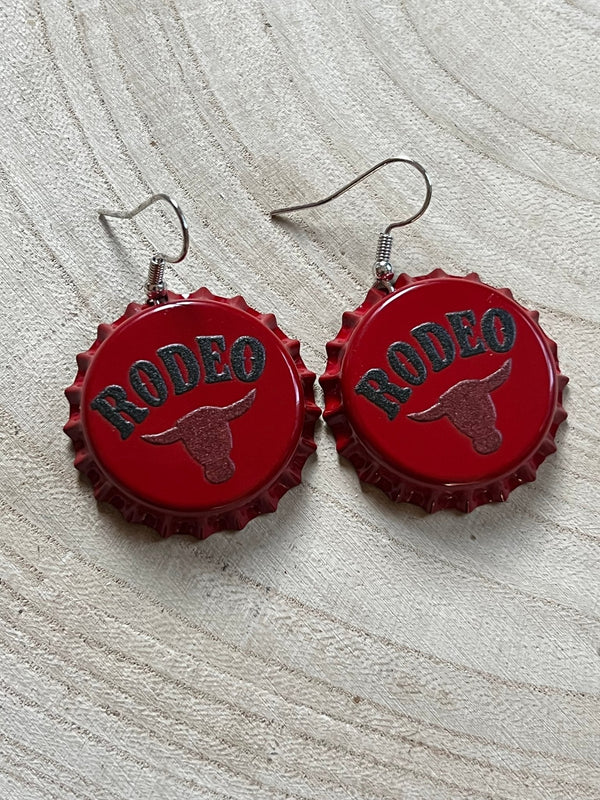
Western Rodeo Steer Head Beer Cap Earrings
$9.99
Floral Patch Mineral Wash Terry Knit Pants
$29.70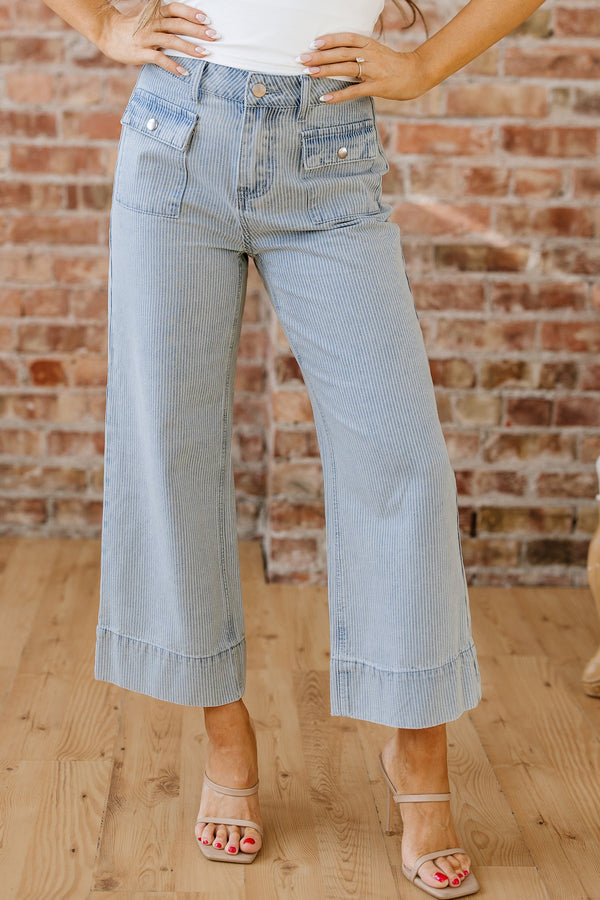
Stripe Denim Button Flap Pocket Cuffed Hem Jeans
$28.98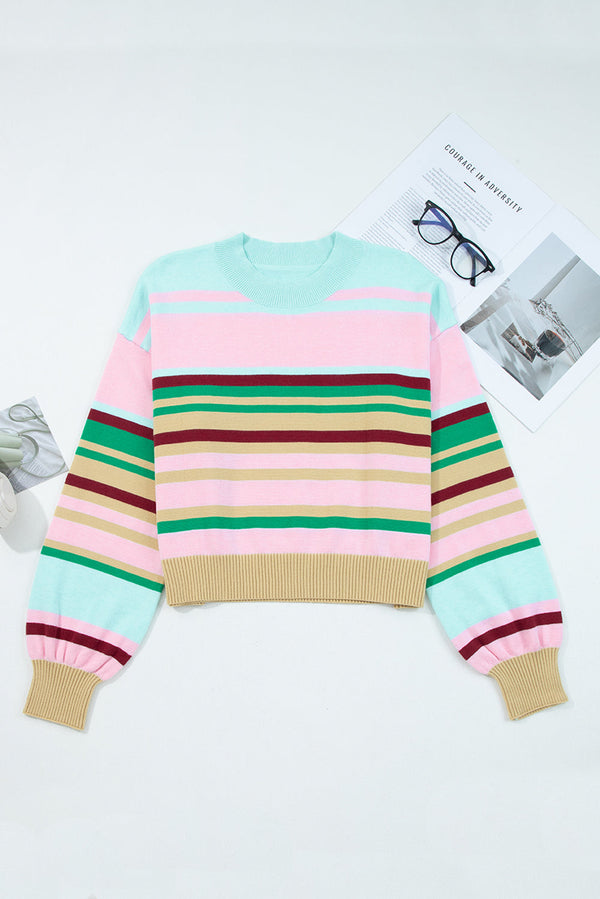
Stripe Ribbed Trim Crewneck Cropped Sweater
$19.05
Solid Reverse Seams Hoodie and Joggers Set
$41.08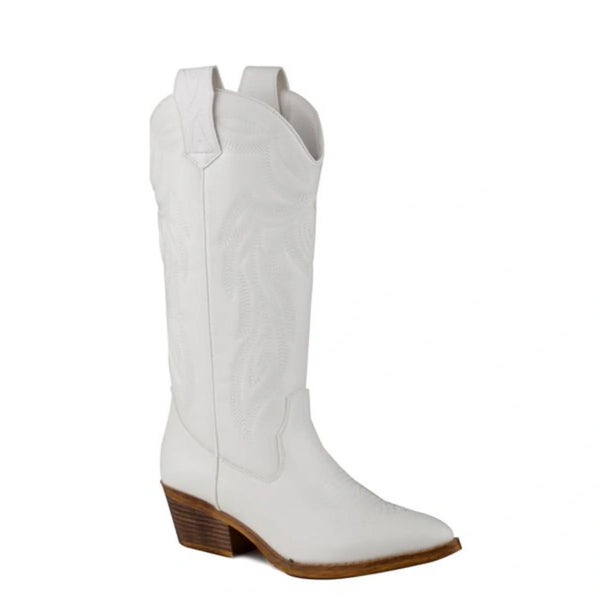
Roper Hattie Cowgirl Boot in White
$89.99Read next
More from On the Road
The Cooler in the Truck Bed
The cooler takes ice at every stop, lets the meltwater run at the roadside, and by day six carries one orange and the last slab of ice.

The Brown Wall Comes Across the Flats
A dust storm rolls over a western highway, and the crossing is blind until the road runs out into a clean, hard sky.

The Last Gas Before the Long Empty
At the edge of the Great Basin, one station stands in the wind, and the sign on its wall says what a full tank is for.