
The Ones Who Stay for the Fog
Along the north Pacific coast, summer arrives as a gray wall on the afternoon wind, and the people who live there count on it.
By mid-afternoon the headland is gone. It does not go the way night goes, easing in from the edges of the sky. It is taken, all at once, by a wall of gray that moves in off the sea with a front to it — on a clear morning, a person can stand on the bluff and watch the line advance, far out, the sky overhead still blue, the water below already erased — and then the line crosses the bluff, and the world shrinks to what is close.
This is the north Pacific coast in high summer. For three months of the year, fog is the weather and it defines the season.

The fog has a smell, for one thing, before it has a sight. On a morning when it will come, the wind shifts and the air takes on salt and cold, the clean smell of open water that carries twice as far as the water itself. By early afternoon the buoys begin to toll. The gulls stop working the air and sit where they land. The cold rolls up the beach like something with weight, which it is: sea air at the temperature of the ocean, and this ocean does not warm. The first wisps come through the gap in the headland, and then the whole of it, and the surf goes flat and close, as if it were playing in the next room.
The afternoon erasing
To someone who has not lived with it, the fog is an absence of things — no view, no sun, no horizon. To the people who live with it, it has more presence than clear air ever does. It moves. It has a voice. It changes the texture of a place the way a snowfall does, but it does not fall; it arrives, and it stays until the wind decides.
There is a vocabulary for it. The low fog that hugs the water and leaves the sky blue above, so that the peaks of the coastal range stand over the gray like islands. The high fog that turns noon to twilight and lets the light through as a flat, milky thing. The fog that will burn off by eleven. The fog that will not lift for a week. The fog that comes in with the tide and leaves with it, so that the beach is clear at five and blind by nine. The light inside it is close. Colors take on an underwater truth — the green of the spruce goes deep and wet, the orange of a buoy flares, a red boat is the reddest thing a person has seen all day.

The fog is also a delivery system. The forest along this coast drinks from the air. The big spruce and the ferns beneath them take their summer water not from the ground but from the drip, and the drip is the fog condensing on a million needles. After a thick afternoon, the ground under the trees is wet, and the air is still raining from leaf to leaf, a slow, internal rain that never reaches the sky. The moss grows fat on it. The salamanders move in it. The land is shaped here by what it cannot see.
The cold, the wind, the water
The making of this season is a machine, and it runs all summer. The sea off the north coast is cold because the deep water comes up to meet the sun: the wind pushes the surface layer away, and the cold below rises into the light, patient, far out. Inland, the valleys bake, and the heated air rises, and a low place opens behind it, and the low place reaches for the sea. The fog is the sea answering the valley. It is a tide of air, pulled ashore every afternoon by the hot interior, which has, all its life, been thirsty.

The fishermen understand this better than anyone. The salmon come to the cold, and the cold brings the fog, and so the fog is where the fish are. A troller leaves the harbor in the gray and steers into it the way a farmer walks into a field at dawn — it is the place of work, not the obstacle to it. On the water, the fog has its own geography. It is thinner over the deep holes and thicker over the reefs, and it lies in bands, so that a boat will run through open water and then into a wall, and the helmsman knows which by the sound the surf makes. The horns that mark the headlands speak all afternoon and all night, each with its own voice — a long note here, a double blast there — and the men and women who run the boats hear them in their sleep. They could not tell a visitor the last time they saw the sun set.
The people who read it
Year-round people read the fog the way other people read clouds. The woman at the store can tell at dawn which kind of day it will be by the way the light comes through the window. The man who runs the crab gear down at the harbor can tell by the sound of the surf on the bar whether the afternoon will close in or hold off. Nobody here says the word as a complaint. It is a fact, like the tide, and it is scheduled.

The children who grow up on this coast do not learn a sky that is simply blue. They learn that the sky is a thing that closes over the land — some days at noon, some days at three, some days not at all — and that the world is large and small at the same time: large because the Pacific is out there beyond the gray, small because the gray is what a person gets. A kid on the beach in July can throw a rock into the water and never see the horizon. It is the shape of the place.
The gardens tell the same story. People who grow things here do not plant for heat; they plant for the damp and the long cool season, for the drizzle that settles like dew and never lets the ground dry out. Tomatoes are a stubborn greenhouse argument against the fog, and the ones that come in are a kind of miracle, but the greens and the chard and the potatoes do fine, and the roses by the feed store bloom all summer in a cold gray light that would disappoint anyone who prefers a bright garden. They are not disappointed. They simply bloom.

The ones who stay
The fog lets go at the end of the summer, and for a few weeks the coast changes hands. The sky comes back, wide and blue and ordinary. The sea turns a color unseen all summer. Visitors arrive and say how beautiful it is, how clear, and they are not wrong. But the people who stayed through the fog stand on the beach in the new sun like people in a room when the lights all come on at once. The closeness is gone, and with it the muffled world — the horns, the dripping trees, the flat slap of surf in foggy air.
Some of them prefer the fog. Not out of contrarianism, though there is a little of that in any coastal town, but because the fog made the place theirs. It kept the crowds away. It kept the light honest. It gave the summer a shape. When the fog lifts, the coast is beautiful the way many coasts are beautiful. When the fog holds, it is beautiful the way only this one is.
On the last gray afternoon of the season, a person can stand at the end of the jetty and watch a boat coming in — the engine heard long before the hull is seen, the hull heard before it has a color, the color just before the man at the wheel is visible. The fog puts the world back in its proper order. It says: here is the close thing, and here is the far thing, and the far thing is known only by sound. It is the day, whole and entire, and the living inside it is the way of the spruce: taking water from the air, listening for what cannot be seen.
From the shop
Picked for this story
Solid Pearl Embellished Double Ruffle Sleeve Sweater
$25.21
Solid Zip-Up Pocketed Fuzzy Jacket
$29.90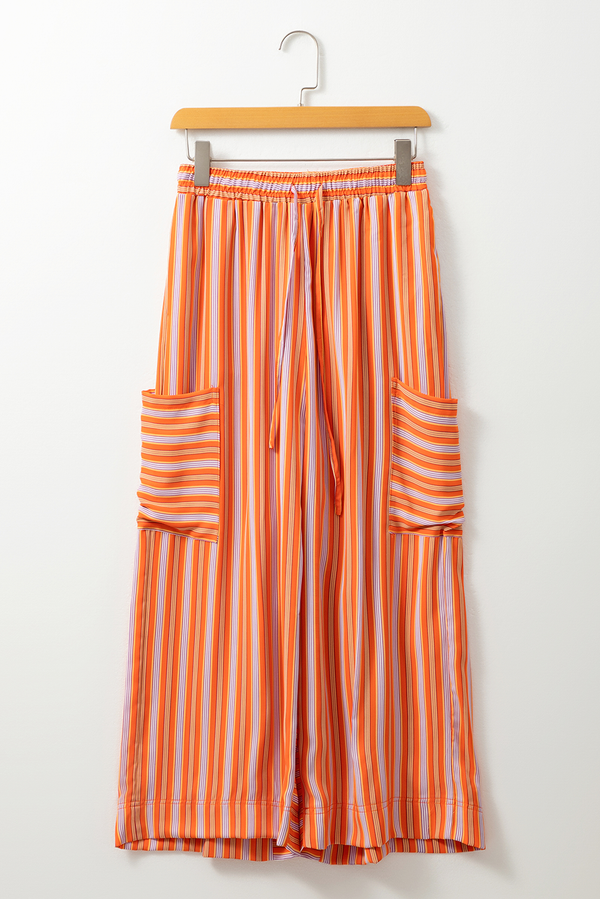
Stripe Cropped Palazzo Pocketed Pants
$16.21
Makin' Cowboys Cry Corduroy Trucker Hat
$32.99
Touchdown Tinsel Puff Sleeve Crewneck Sweater
$20.11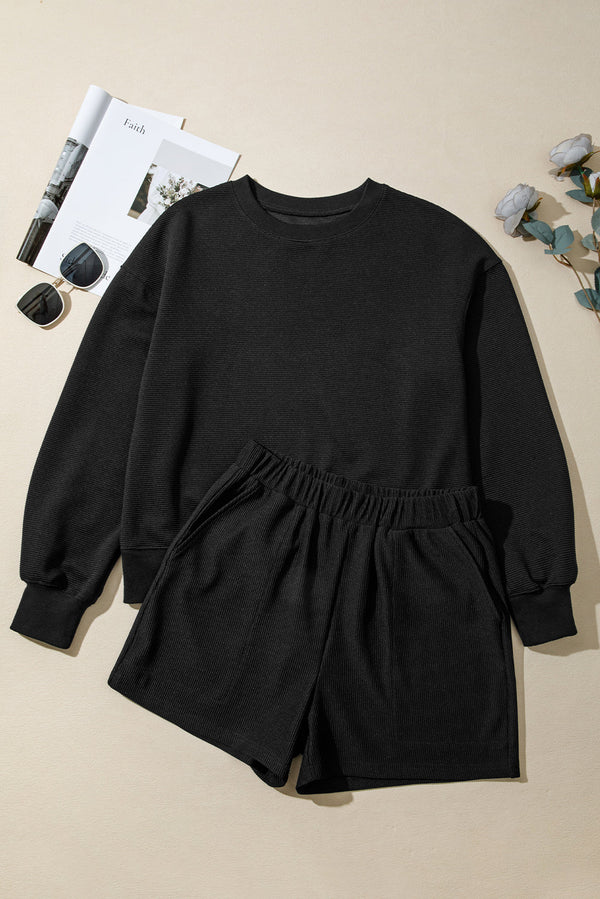
Ribbed Knit Top and Shorts Set
$24.86
Stripe Half-Zip Drop Shoulder Sweater
$26.20
Western Checkered Rectangle Earrings in Turquoise and Black
$13.99Read next
More from On the Road
The Freedom of a Very Small Space
On eighteen months of driving the West with little more than a bed, a stove, and the slow education of fixing what breaks.

A Day Camped Beside a Mountain Lake
A day beside a mountain lake in the American West, from frost on the tent to coals after dark.

The Sunglasses on the Dashboard
In the high desert of the Great Basin, a scratched and taped pair of sunglasses is the difference between open road and a windshield full of glare.