
The Freedom of a Very Small Space
On eighteen months of driving the West with little more than a bed, a stove, and the slow education of fixing what breaks.
It rained for days on end on the north Pacific coast that first winter I spent in the truck. The rain came off the ocean in waves, loud on the shell overhead, and the pullout where I parked turned to mud. I did not mind. I had a bed platform, a two-burner stove, a crate of tools, and a dry place to sit and watch the water. That was the whole inventory. Everything I owned fit in the back of a small truck, and I could stand in the middle of it and touch both walls at once.
I had not started that way. I left with a load I could barely close the tailgate on: boxes of books I had already read, a winter coat I wore once, a camp chair that folded into itself and still took up room. Someone in a town on the eastern slope took the books off my hands. A ranch wife took the coat for her barn. By the time I reached the desert I had stopped counting what I gave away. The truck got lighter. So did I.
The first weeks were the hardest. I kept reaching for things that were not there — a book, a jacket, a tool I was sure I had packed. I would open the back of the truck expecting a shelf and find the sky. That twitch faded. What replaced it was a kind of attention. With less to look at, I saw more: the way the light came over the hills, the exact blue of a cold morning, the thin track of a hare crossing the road at dusk.
That was the first lesson, and it came easy. Give things away and the space comes back. The second lesson took the whole winter, and it came in the form of a broken latch.

The second repair
Somewhere in the high desert of the Great Basin, in a cold that cracked the mud in the ruts, the latch on the shell froze and came off in my hand. The handle snapped clean at the base. A year before I would have driven to a store and bought a new latch — two latches, maybe, while I was at it. Instead I took the whole thing apart on the tailgate and spread the pieces on a rag.
The broken part was a spring, rusted and short. I had a roll of fencing wire in the crate, and I bent a replacement that worked for a week before it failed somewhere else. So I took it apart again. This time I understood the geometry — where the tension gathered, why it let go. The second repair took an evening. It held for the rest of the winter, and through the spring, and I expect it is still holding somewhere.
Fixing things twice is not a waste. The first fix is for the thing. The second fix is for the person doing the fixing. I learned that latch the way I learned the towns I stayed in — by walking them twice, by watching what they actually did at noon and again at midnight. Later it was the pump on the stove, which I rebuilt twice before I learned to listen for the air in the line. Every repair since has gone faster. Fewer things to fix, and each one fixed better.

The people who stay
Winter in a small town in the Great Basin is a long agreement. The highway through town is going somewhere else; the people who live there are the ones who stayed. I became a regular at the feed store without noticing how it happened. The man who ran it stopped asking where I was headed and started treating it as settled that I would come back. The woman at the post office held my mail without comment. Nobody called me a traveler. I was just the person in the truck who had been around long enough to know which mornings the frost would form on the inside of the windows.
The people there taught me the real shape of less. They owned more than I did — barns full of it, sheds, years of accumulation — but they did not carry it the way I had carried my boxes of books. They used it. A tool hung on a nail for a decade and came down when it was needed. A jacket was patched at the elbows and worn longer. Nothing waited for a better occasion. Nothing was for show.
I had come West to see it, the way a person sees a spectacle. What I learned was slower. The West is a working place, and the people who work it have the patience of weather. They did not seem sad about the emptiness. The emptiness was what they had, and they filled it with the ordinary — wood to split, water to haul, a road to keep open against the snow.

I came to like the plainness of it. The desert is full of small signs — the turn of a road, the lean of a fence against a hillside — that a traveler misses and a resident reads without thinking. I read the country the way I read my tool crate. Everything in place. Everything earned.
The small space
By spring I had stopped wanting a room. That surprised me more than anything. I had always thought of the road as a between place, a corridor to somewhere real. But the truck was real. It was a room with a view that changed when I wanted it to, a roof that leaked in one corner, a shelf I cut to hold the stove. Everything in it had a job. Everything in it had been fixed at least once.
The freedom of a very small space was that I did not have to go anywhere. I was not hauling the weight of a life behind me. The miles were not a getaway; they were just miles. And the place where I stopped for the night — a wash in the desert, a bluff above the sea — received me whole, because I arrived with nothing to set up. I stepped out and I was already there.
I came back to the coast in late summer, a year and a half after I left. The pullout was the same. The rain had not come yet; the light lay low and gold on the water. I made coffee on the tailgate and sat in the open door, and I thought about how the truck had become less a thing I drove than a thing I wore — close, fitted, useful. The West outside it was as large as ever. That was the whole arrangement. I stayed small, and the place stayed enormous, and neither of us asked anything more of the other.
From the shop
Picked for this story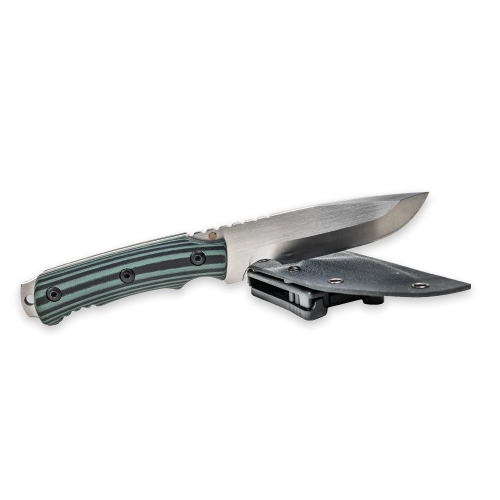
Survival Knife
$95.00
Camo Leaf Kangaroo Pocket Quarter-Zip Hoodie
$20.47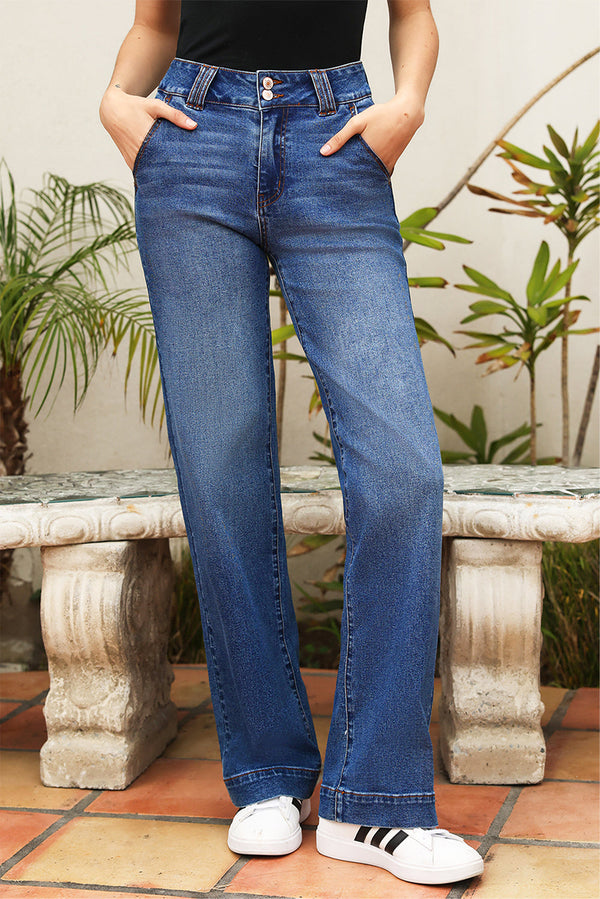
Denim Double Button Straight Leg Jeans
$30.55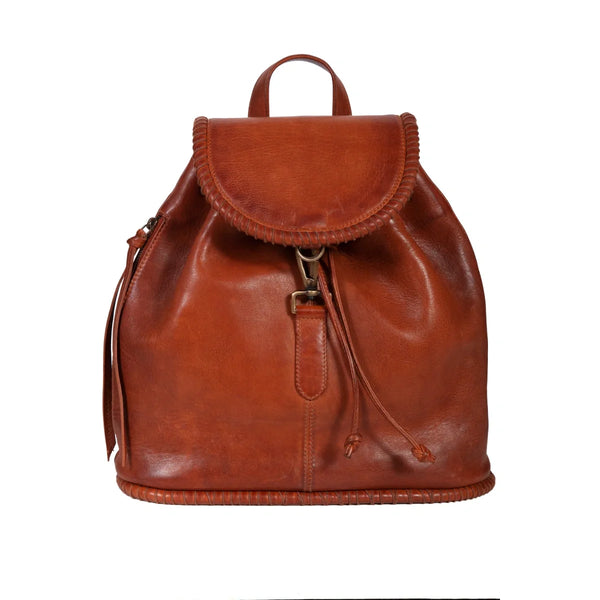
Scully Leather Lace Backpack
$211.50
Pearl Textured Knit High Neck Sweater Top
$16.73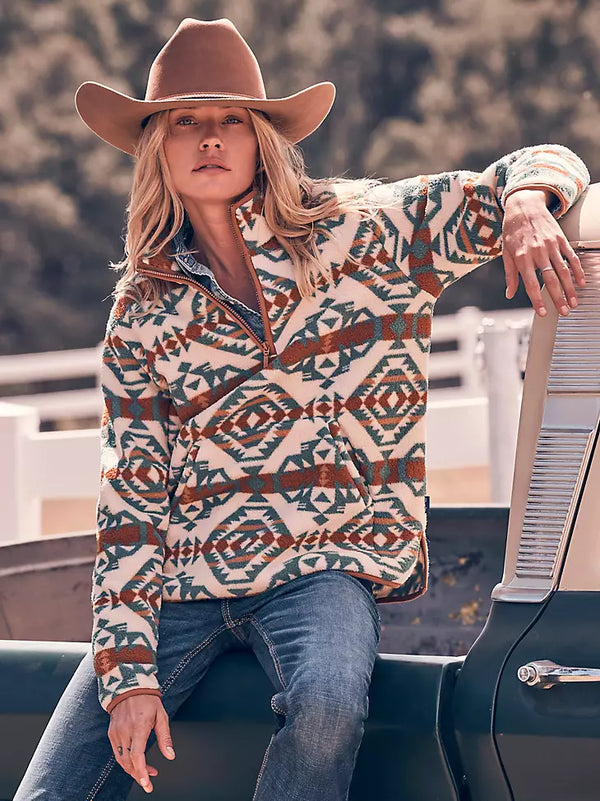
Retro Vintage Sherpa Zip Pullover
$49.99
Solid Crossed Dip Waist Leather Leggings
$15.86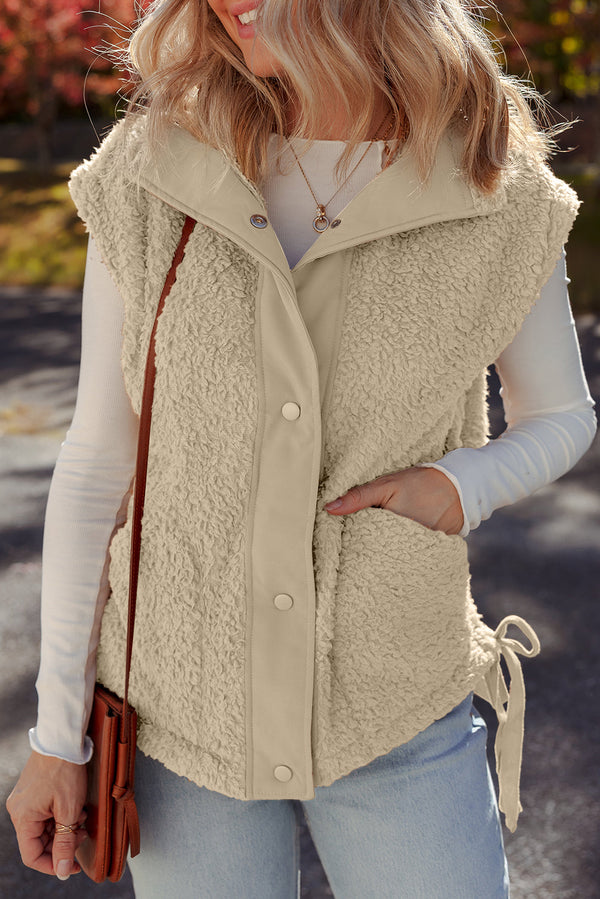
Solid Fleece Snap Button Side Tie Vest
$22.83Read next
More from On the Road
A Day Camped Beside a Mountain Lake
A day beside a mountain lake in the American West, from frost on the tent to coals after dark.

The Sunglasses on the Dashboard
In the high desert of the Great Basin, a scratched and taped pair of sunglasses is the difference between open road and a windshield full of glare.

The Herd Takes the Road
Two riders, a pair of dogs and a band of cattle take the pavement, and the traffic on a two-lane road stops for the oldest reason there is.