
Making Camp Before Dark
At a dispersed site in the mountains, the work of stopping before the sun goes down.
The camp is made before dark at a dispersed site in the mountains, and the order of making it is always the same. The camper stops early, while the sun is still above the highest ridge, and walks the ground in a slow circle before anything comes out of the truck. The engine goes quiet, and the sound of the valley coming back—a wind in the trees, a creek off in the draw—is the first thing heard at the site.
Reading the ground
The camper looks for level ground first. A dispersed site is only a bench of grass and pine needles or an old pullout where someone else has parked before, and the level place is never where the truck stopped; it is a short way off, where the runoff has not cut a trough. The camper stands at the middle of the flat spot and looks up for dead limbs, and down for rocks that will make a shoulder hurt by morning. Where an old fire ring of blackened stones sits, the site is a known one, and the stones stay exactly where they are. The camper clears the larger pebbles and the cones, sweeps the spot with a boot, and brings out the tent. The tarp and tent sack go down on the swept dirt where nothing lies under them.

The tent or the bed
If the wind is moving through the trees, the camper lays the tent out with the door away from it, and pegs the corners before the poles go in. A tent that is pegged before it is raised does not fight the gusts. If the night is clear and the truck has a bed, the camper may forgo the tent altogether: the truck bed gets the bags laid out flat, and the tailgate is left half-open with the strap hanging loose so a hand can find it. In either way the bag is shaken once, smoothed, and left open at the top. The camp chair is set where the ground is firm, facing the widest open view. The bag lies open at the foot of the bed, with the pillow end on the uphill side.
The stove and the meal
The stove goes on solid ground or a flat rock, well away from the tent and the truck. The fuel bottle is set down where it cannot be knocked over, and the pot is placed on the stove before the stove is lit. The camper cooks one pot, usually rice or soup, with a spoon standing in it. The pot is carried to a level resting spot with a rock under it, and eaten early, while the light still holds for a second ladle. The washed spoon goes back into the clean pot, and the pot goes in the stove bag, not left on the ground for the wind to move. The spoon stands in the clean pot on the tailgate until breakfast.

Water
Water for the night is taken from the jug or the creek before the last of the light goes. The camper fills the wide-mouth bottle for drinking through the evening, and the second bottle with treated water for morning coffee. Both go into the same bag as the stove, not into the tent, unless the night is cold enough to freeze them, and then the morning bottle goes inside the sleeping bag, capped tight. The drinking bottle stays outside the bag, where it is drunk down and refilled once before the dark is full. The morning bottle stands by the stove bag where the camper will see it first in the half-dark.

The food hung or locked away
Everything that smells—the stove, the leftover pot, the empty packets, the toothpaste—is gathered into one drawstring sack. In bear country the sack is hung from a branch out of reach of a standing bear, with the rope high enough that it cannot be unhooked from the ground; in backcountry that holds no bears, the sack goes into the truck cab and the windows are rolled up to the weather. The trash is tied inside the food bag, not left by the fire ring, and the water bottles are drained before they are stored. The food sack hangs in the same tree every night, on a branch that the wind has already stripped of anything noisy. The rope is tied off at the trunk, and the food sack hangs clear of the trunk and the ground.

Laying out the dark
Before full dark the camper lays out everything that will be needed in the night: the headlamp, the flashlight, the lighter, the jacket, the boots turned toes outward at the foot of the bed. The pockets are emptied of keys so they will not be felt for in the dark. The ground cloth is smoothed at the door so nothing trips in a midnight walk. The fire ring is left as it was found, with the flattened paper and matches weighed down under a rock. Then the camper sits on the tailgate with the last cup of water, facing the east, and waits for the stars. The camp sits on a level bench of pine needles, open to the east, its tent hanging slack between four pegs and its truck tailgate down to the dark.
From the shop
Picked for this story
Debut Sports Bra in Ivy
$34.99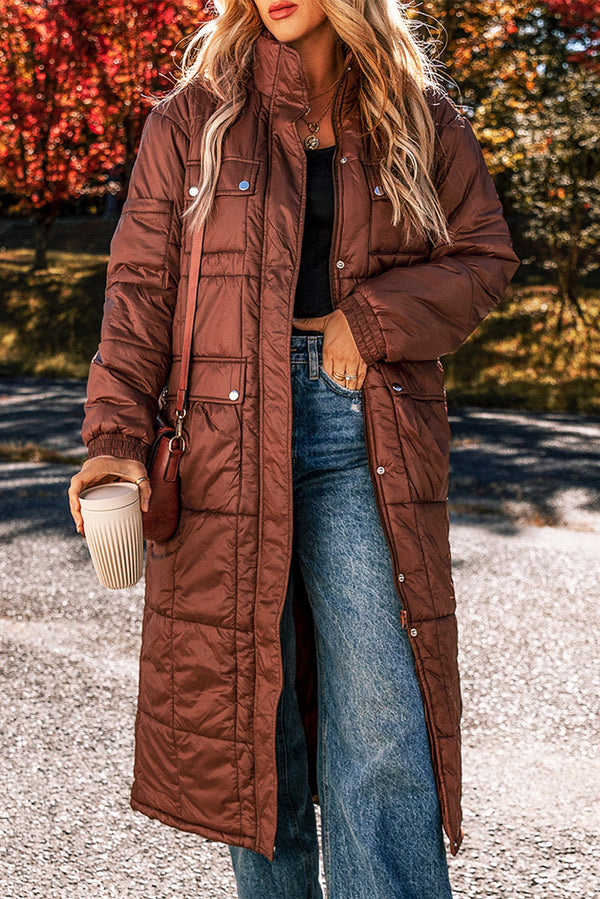
Solid Quilted Stand-Neck Zip-Up Buttoned Puffer Coat
$52.05
Solid Cable Textured Long Sleeve Baggy Hoodie
$26.95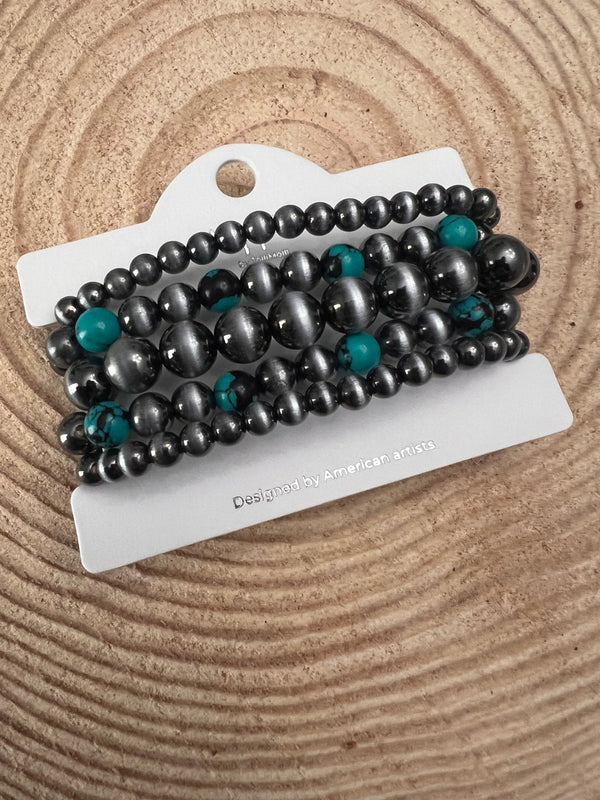
Western Faux Sterling Pearl & Turquoise Stretch Bracelet Set
$24.99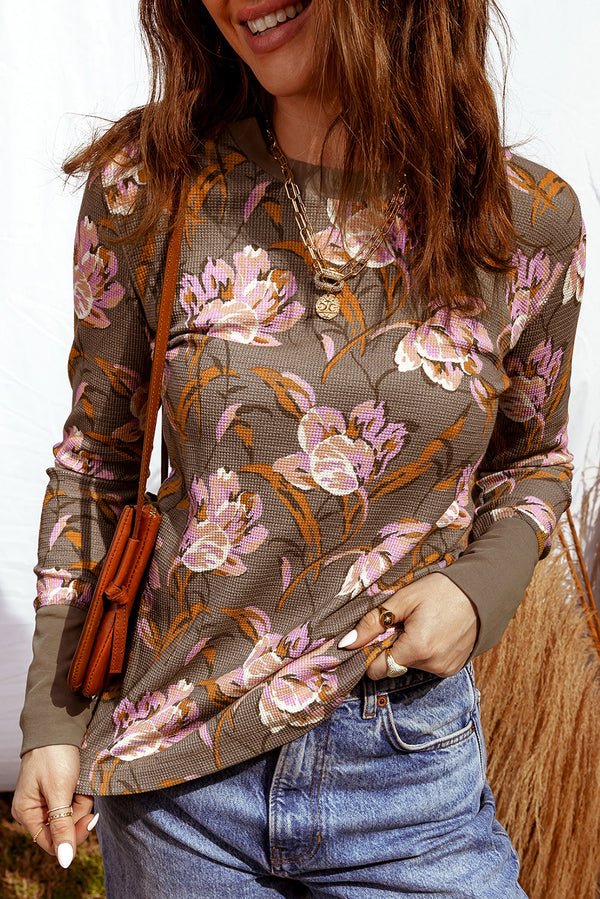
Floral Waffle Textured Long Sleeve Top
$15.65
Stripe Checker Balloon Sleeve Sweater
$25.40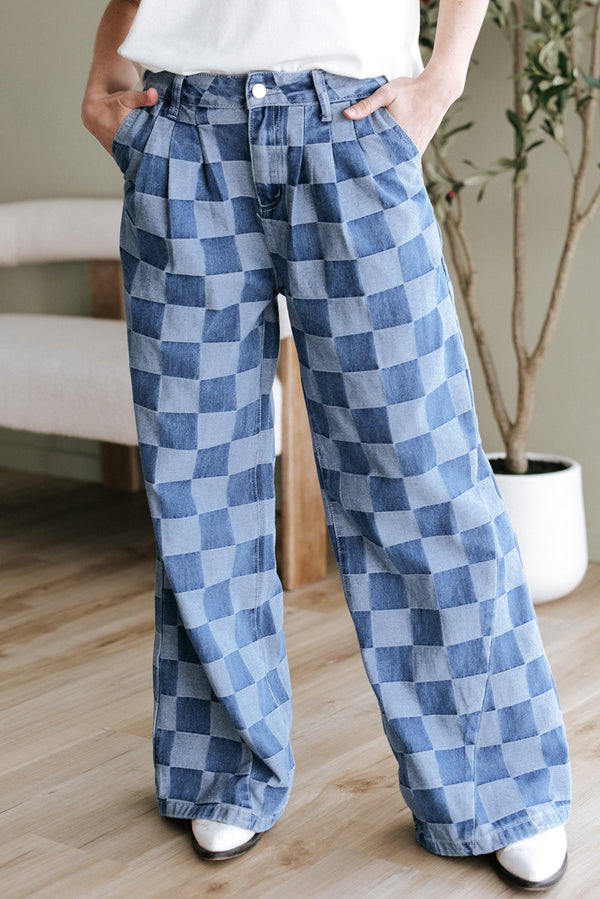
Checker Denim Wide Leg Jeans
$28.42
Stripe Spaghetti Strap V-Neck Tank Top
$14.09Read next
More from On the Road
The Blanket Behind the Truck Seat
One green wool blanket spent the years behind the truck seat, serving for cold nights, picnics, a dog, and a flat tire knelt on in the gravel.

What the Junction Store Keeps
At a junction with nothing around it, one woman's counter holds the coffee, the jerky, and every traveler who comes through the basin.

The Juice on the Steering Wheel
In the heat of July, the valley's cherry orchards send their fruit to the highway shoulder, and the road remembers those who stop.