
Following the River Down
From a cold spring in the willows to the wide water of the basin: a day following the river downstream.
6:10 a.m.
The river comes out of the ground in a willow thicket above the last ranch road, and I am standing beside it in the cold. It is a spring, not yet a stream — a dark circle of water as wide as a truck tire, pushing up sand the size of peas. The cold comes off it in waves, the way it does off an open cellar door. The ground around it is stiff; the grass is white with frost in the low places, and my boots have soaked through at the toes. I fill a jar and drink. The water tastes of rock and nothing else. By the fence line the water has already found its way — it runs among the willow roots, takes the short way downhill. I get back in the car, scrape the windshield, and start the engine. The heater blows cold for a long minute. I keep the water in sight through the side window as I bump down the grade. It is moving faster than a person can walk.
8:45 a.m.
The road and the river trade sides of the canyon below the basalt cliffs, and I let the car drift along behind them. The sun has topped the rim now, and half the canyon floor is still in shadow; the river is a dark thread at the bottom of it. The road narrows at the first crossing, a steel bridge with wooden decking that rattles under the tires. I pull off on the near side and walk out onto the bridge. Below the girders the whole river fits between my boots — clear, brownish over stone, no more than a hand's depth where it runs against the piers. A dipper lands on a rock mid-current and goes under. I watch for it to come up. It comes up downstream, farther than I expected, and flies on. There is no other sound in the canyon but the water turning around the piers.

11:30 a.m.
The canyon opens onto a flat, and a settlement has grown where the river leaves the rock — a crossroads, a store, a diner, a post office with a flag standing still. The river here is wide and shallow; the street crosses directly over the riverbed, and the paved ford runs clear water over its own concrete, so the whole town sounds like rain in a gutter. I stop at the edge of the ford and watch. On the far bank a head gate stands in a concrete ditch, and a man in a heavy coat turns a steel wheel with both hands to set some of the river into the alfalfa. The ditch runs straight between wire fences toward the first green row of the field, level and even, and the river on the other side of the gate is lower now; the sound it makes over the ford is thinner.
1:30 p.m.
The river bends north and the road stays with it. The fields fall away; sagebrush comes back to the edges, and the river runs low between gravel bars. There is a dam here, not a tall one — a low wall of concrete the width of the water, sunk into the banks — and the river goes over it in a single sheet that turns white in the wind and patches the rocks with spray. Below the wall, a fish ladder is cut into the left bank; the water climbs it in steps, each step a small pool with one current at the lip. I leave the car on the gravel below the wall and walk out onto the dam. I eat bread and cheese in the spray. A cottonwood leans off the downstream bank, its crown touching the water, its roots exposed over the cut bank and dangling in the air.

4:15 p.m.
Below the dam the water clears and rounds the gravel bars. The road climbs down off the terrace onto the valley floor, where dark fields run to the river on one side and open range on the other. At a pullout, a stock trailer stands in the shade of a single ash, and a woman on a horse moves three cows through the brush toward a gap in the bank. I pull in behind the trailer and sit. The river at the gap is wider than the car is long; the cows step down into it until the water reaches their knees and drink with their heads low. The water curls around the cows' legs and carries gravel downstream without changing color. When the three cows lift their heads, the rider stirs, and they move up out of the river as one.
6:40 p.m.
The country flattens into a basin that drains nowhere. The road goes straight across the long floor, and the river is wide and low, split into channels by islands of reeds. The water is gray and heavy, moving without sound; the channels disappear around islands and come back on the other side. At a gravel bar I stop, walk out, and kneel where the main channel runs. The current reaches my boot tops at the edge, and the water is warm on the surface and cold against the stones. Sweeps of midges hang over the bar; a heron stands at the head of an island, gray against the gray water, waiting. I stay until the sun is off the water. The channels move past my boots in the same quiet, and the whole river passes me low and wide, keeping its speed.

8:20 p.m.
The light is gone off the water, but a band of it stays along the mountains. The channels lose themselves in reeds at the edge; then the river is a sheet of water, stretched so wide it has no current you can see. It lies on the bottom of an older, larger lake, which dried away. Bats cross the sheet in straight lines. The last band of light makes the sheet the color of a tin cup. I walk along the edge to the far side, where the sheet thins to a film among the saltgrass. The river drains into the ground there, between the grass and the first dry bank.
From the shop
Picked for this story
Encore Crop Tee in Black
$34.99
Solid Textured Notch Neck Puff Sleeve Blouse
$11.71
Western Equestrian Snaffle Bit Dangle Hoop Earrings
$14.99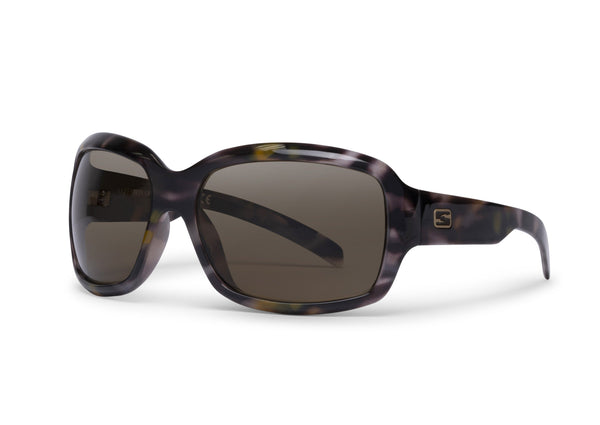
Serena Sequoia Gloss Sunglasses
$127.00
Solid Faux Leather Side Slit Maxi Skirt
$25.53
Plaid Patchwork Long Sleeve Raw Seam Sweatshirt
$21.56
Plaid Colorblock Patchwork Chest Pocket Shirt Jacket
$25.37
Solid Knit Short Puff Sleeve Sweater
$18.93Read next
More from On the Road
The Load Goes In the Night Before
Before a long trip across the West, the loading is done in the dark of the driveway, and the strap is what the whole run depends on.

Eyes at the Edge of the Road
Out past the last town light, the two-lane crosses open range, and the dark keeps a record of everything that passes through it.

Rain Found the Seam
Rain came into the tent at two in the morning, and by first light everything was wet — then came the packing of a drowned camp into a dry cab.