
Rain Found the Seam
Rain came into the tent at two in the morning, and by first light everything was wet — then came the packing of a drowned camp into a dry cab.
The rain began while we were still putting up the tent. Not the whole storm, just the first heavy drops on the dry duff, each one sounding like a fingertip on a table. Then the sky closed over the ridge and the rest of it came down at once, and we finished the job wrong — in a hurry, with the fly pulled crooked over the door and one corner of the footprint standing in a puddle that had not existed a minute before.
The place was the Cascade foothills, some flat spot that had been scraped out of the woods years back, big enough for a tent, a fire ring, and a pickup. The truck was an older one with a cap over the bed, and I usually slept in the bed on a platform I had built. This trip I had brought the tent instead, because I wanted to sleep on the ground for a change, and because my dog, June, had decided the tent was where she lived now and would stand in the rain rather than get into the truck.
The Sound of It
By dark the rain had settled into a steady drumming on the fly. June curled at my feet. I lay on my back and listened to the separate sounds — the hiss where the wind shoved the rain against the nylon, the hollow tink of drops hitting the plastic bin under the vestibule, and, underneath everything, the sound of the duff drinking itself full.
Dry duff takes the first rain without a sound. The water vanishes. Then the needles begin to hold it, and the whole forest starts to tick and drip, and the tent becomes the last dry place in the world.
I thought about the truck. The bed under the cap was dry. I had chosen the tent. There is nobody to blame for a wet night but yourself and the weather, and the weather does not care.
At ten the rain was steady. At eleven June was snoring. At midnight I turned off the headlamp and lay there in the warm while the whole outside turned to water.
The Drip at Two
I woke because a single cold drop of water landed on my forehead. There is no mistaking that sensation — water inside a tent arrives at a different temperature from the air around it, and it feels less like weather than like being touched. I sat up fast, hit the ridge pole, and swore. June did not move.

The drip was at the seam where the fly wore thin against the pole. I found it by feel, running my hand along the underside until I touched the wet thread. I tried tape — I keep a roll of it under the seat of the truck, and it is the first thing I pack for any trip — but tape will not stick to wet nylon. So I did what everyone does. I took a dry sock, tied it around the seam beneath the leak, and let the sock take the water.
It worked, after a fashion. The drip no longer fell on my face. It fell into the sock, which hung there, growing heavier, and then it fell out of the sock onto the tent floor.
Then a second drip started, a few inches down the same seam, this one landing squarely on the corner of the sleeping pad. I moved my boot under it. A boot fills with water over time, but it held the sound off the pad. I lay back down at an angle, with June pulled in against my hip, and listened to the two rhythms — sock, boot, sock, boot — trying to match them.
At some point I fell asleep. You do not fix a tent at two in the morning. You endure it, and you learn something about your own patience, and in the morning you tell yourself the rain was what you came here for.
First Light
I woke to light before I woke to silence. The rain had stopped sometime in the last hour. The sky had opened in the east, and the tent glowed the color of old paper. Everything outside was quiet in that heavy way of a forest that has just been wrung out.

I unzipped the door. The camp chairs had pools in the seats. The tarp I had strung between two trees had sagged under the weight of the water and was spilling it over one edge, a neat waterfall that had carved a groove in the duff. The towel I had hung on the line the evening before hung still, twice the weight it had been, wringing itself slowly onto the ground.
The fire ring held a black puddle. My stove sat on the picnic table under a sheet of water, and the coffee can had collected enough rain to make weak coffee by itself. I stood in the doorway in my long underwear and looked at the whole wet camp the way you look at a mistake you will make again.
Coffee happened anyway. The little stove hissed, the water boiled, and I sat on the tailgate of the truck — the cap's windows were beaded but the bed was dry, the one dry place left besides the cab — and drank it black while June ran the perimeter and shook her coat at intervals.
The sun came over the ridge and burned the tops of the trees. It would be a fair day. It almost always is, after. But the camp was still wet, and I had to drive out, and the tent was wet, and the tent had to go in the truck.
Packing a Wet Camp
There is a right way to pack a dry tent and a way to pack a wet one, and they are not the same. A dry tent you shake out, fold along its seams, and roll tight into its bag. A wet tent you wring as best you can, flap it until your arms ache, and then fold it loose — because folding wet nylon along the same creases every time will crack the waterproof coating. The groundsheet folds mud side in. The stakes come out last, and you wipe each one on the wet grass before it goes back in its sleeve.
Everything else was wet or damp. The chairs, the rope, the tarp, the towel, the pants I had left hanging overnight — all of it went into the bed, on top of the platform, under the cap, and I told myself the road would dry what the rain had drowned. This is a lie drivers of old trucks tell themselves. The cap leaks. I knew the cap leaked.
So the tent did not go in the bed. The tent went in the cab.

I stood at the passenger door with the bag in my arms, and the bag was wet, and the door was about to let me put all of that wet into the one place that had stayed dry all night. I opened it anyway. You cannot leave a wet tent in the back of a leaking cap and expect anything but a worse thing. The cab was dry, but it was the only vessel for getting the wet home.
The tent went in first, across the middle of the bench seat. Then the wet bag of clothes, and my boots, and my jacket, which had been hanging under the tarp and was beyond rescue. The passenger seat was gone. The floor mat was gone. June stood in the wet grass, waiting for the seat she thought she owned.
The Dry Cab
I let her in. She climbed over the tent bag, turned three circles, and lay down with her chin on the bag of wet clothes, which is what she always does with a dry seat that has been taken by something else. The cab smelled like wet nylon, wet wool, wet dog, and the faint permanent smell of the truck, which is dust and pine.
I started the engine. The windshield misted from the inside within a minute, and the defroster fought it. The wipers pushed the weather off the glass in great dragging arcs. On the road down, the sky changed twice — rain in one valley, sun in the next — and the wet in the cab steamed, and my socks were damp inside my boots, and June slept, and I thought about the point of a trip like this one.
No point, is the honest answer. Or the point is the taking of it. You go up into the mountains and the mountains hand you a night of rain, a drip at a seam at two in the morning, a sock doing the job tape would not do, and in the morning you pack all of it into the one dry place you have and drive it home, where it dries on a tarp on the living room floor until the next trip.
I turned the heat up. My boots steamed. June snored. We drove out of the wet and into the dry, made it home before the afternoon was over, and the cab was the dampest thing on the road — and I would have it no other way.
From the shop
Picked for this story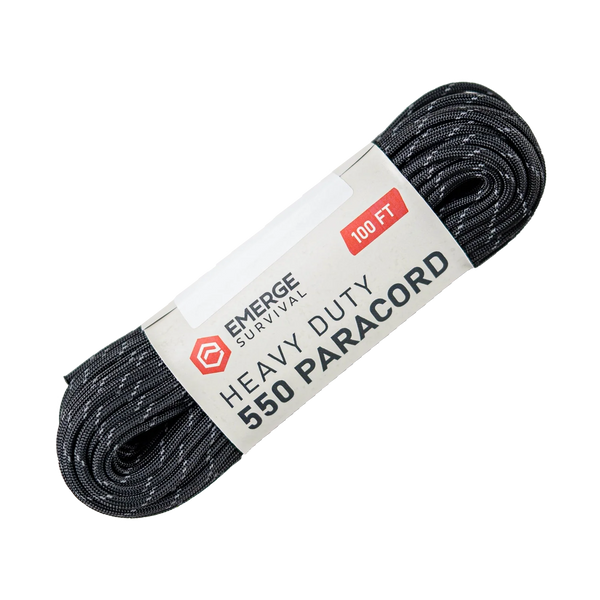
Heavy Duty Paracord
$10.95
Solid Corduroy Lapel Collar Zip-Up Buttoned Jacket
$28.11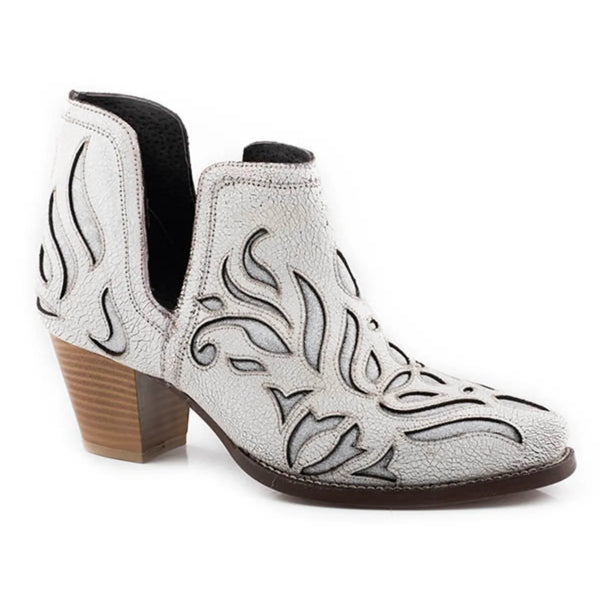
Roper Rowdy Glitz Leather Ankle Boot
$147.99
Floral Bow Tie Patch Reverse Seam Sweatshirt
$23.35
Textured Knit Collared V-Neck Pullover Sweatshirt
$18.70
Stripe V-Neck Long Sleeve Blouse
$18.31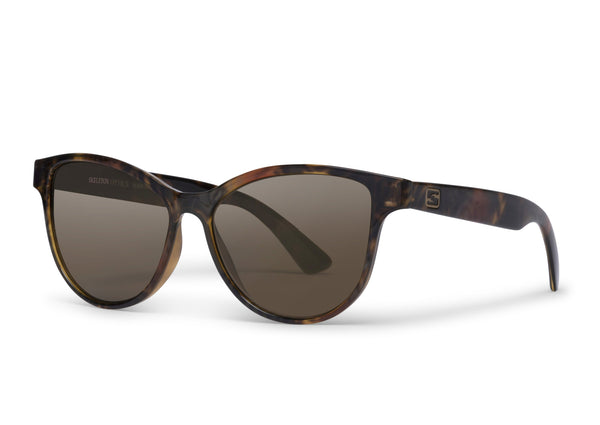
Mia Lava Verde Gloss Sunglasses
$127.00
Leopard 3/4 Sleeve V-Neck Dress
$28.81Read next
More from On the Road
The Bag That Stays in the Cab
At the end of the day's driving, a two-story motel on the edge of a desert town offers a bed, thin walls, and the sound of the highway.

The Long Light of the Great Basin
A day's drive across the Great Basin, from the cold of early morning to the evening light at a crossroads motel.

The Lot Never Goes Dark
A traveler sleeps in his truck at a rest area in the Great Basin, where the lights never go out and the coffee tastes like the machine at dawn.