
The First Hour of Open Road
A thermos filled the night before, a truck leaving before light, and the first hour of open road as the sky goes gray and then pink behind it.
The thermos stood on the kitchen counter, its cup screwed on, filled the night before. The coffee had been made when the evening still had some warmth to it — grounds measured into the basket, water just off the boil, the whole pot poured into the steel body and sealed. It ticked faintly as it settled, and then it gave away nothing, holding the heat in silence while the house went dark around it.
The truck had been made ready the night before as well. The tank was filled while the pumps were still attended, the windshield wiped down, the wipers tested against a dry windshield, the tires looked over in the light of the porch. In the bed, under a tarp tied down at all four corners, lay a duffel, a box of tools, and an ice chest that had come out of the freezer the evening before. The keys sat on a hook by the door, and the porch light burned on its timer. The house was shut the way a house gets shut when it will not be opened again for a few days — the thermostat turned back, the water heater turned down, the mail stacked on the table.
The Last Streetlight
The alarm went off well before the sky had any color to it. Boots came down the hallway, found the kitchen in the dark, and a moment later the truck cranked once and caught in the driveway. Headlights laid a pale double cone over the gravel and the gatepost, and the engine idled there long enough for the thermos to come out of the house and settle onto the passenger seat.

The neighborhood was still dark. Curtains were closed, dish towels hung on the racks, a newspaper lay at the end of a driveway in its paper tube. The gas station sign burned alone above the closed pumps. The truck rolled out past house after house, and the streetlights went by in a rhythm — every block at first, then only at the corners, then only where the two-lane picked up from the last of the residential streets.
The last streetlight was not marked as the last one; it came up like the others, swept its light across the roof of the truck and the windshield, and went past, leaving the road ahead as only road and the dark as the real dark, the open dark, with fenceposts going by close to the ground and sagebrush standing black in the headlights.
Gray, Then Pink
The road opened out the way high desert roads do — a straight stretch, a long rise, a mile or two along the flank of a ridge. Sagebrush gave way to juniper and then back to sagebrush. The local station went to static just past the last streetlight, and in its place came a voice reading a farm report from somewhere over the mountains, then a preacher, then a song with a steel guitar that faded before the chorus.

In the rearview mirror, the sky had begun to change. There was no color in it yet, only a thinning of the dark along the horizon — a gray that was not the gray of the asphalt or the sagebrush but the gray of the space between night and day. It widened slowly. The fenceposts lost their silver, and the asphalt took on its own color, and frost showed on the sagebrush in long pale streaks where the light was reaching.
The gray came up from behind and passed the truck along the ground, and what had been a single dark shape became a slope, then a wash, then a fence line running uphill. Cattle stood against the fence, breath showing pale in the cold, facing the light, and were gone before the truck had reached the gate. A ranch road climbed away between the hills, and the fence went with it, posts stepping up one at a time.
A pair of headlights came over the rise ahead once, flashed past, and was gone, and then the road was empty again for as far as the dark and the ground sorted themselves out. The cold air coming through the vent smelled of dust and dry grass and the faint sweet exhaust of the truck itself. The heater blew lukewarm air for the first stretch, and then the cab came up to temperature and the vent went quiet.
The thermos came off the passenger seat sometime in that gray hour. The cup poured full from the steel body, and the steam rose off it in the cold cab and fogged a small arc of windshield, and the window went down an inch, and the steam went out with the cold air coming in. The coffee had gone a little bitter from its hours in the steel, and that was part of it, as much as the heat.

The pink did not arrive; it was simply there the next time the mirror was checked, a streak along the horizon, thin and precise, laying color on the underside of a line of clouds.
It widened as the miles went by, went rose at the edges, went gold where the clouds were thickest. The truck's shadow appeared on the road ahead, long and distorted, running out across the asphalt and up the face of the cut bank.
The headlights had gone pale with the morning, and the high-beam indicator was a blue that no longer meant anything. The cup went back on the thermos empty, and the thermos went onto the floor behind the seat. The road ran straight toward a dark wavering line that was the next range. Behind the truck the pink was climbing — paler, wider, higher — until the rearview mirror held nothing but it, and ahead, where the road went, the sky was still gray, the last of the night still holding on over the ground the day had not reached yet.
From the shop
Picked for this story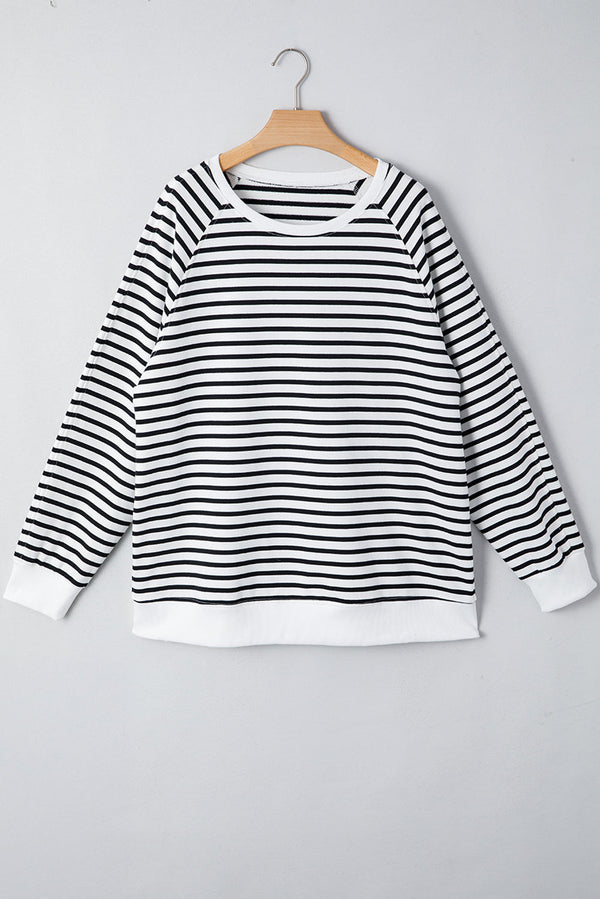
Stripe Raglan Sleeve Side Slit Sweatshirt
$20.76
Denim Patch Pocket Side-Tie Jacket
$32.64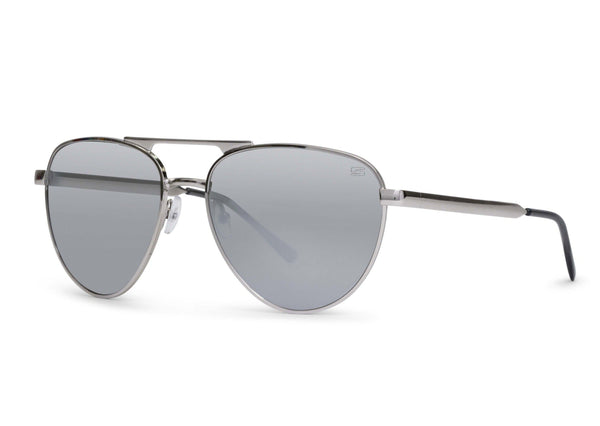
Dara Aviator Chrome Silver Sunglasses
$127.00
Plaid Patchwork Wide Leg Pants
$23.23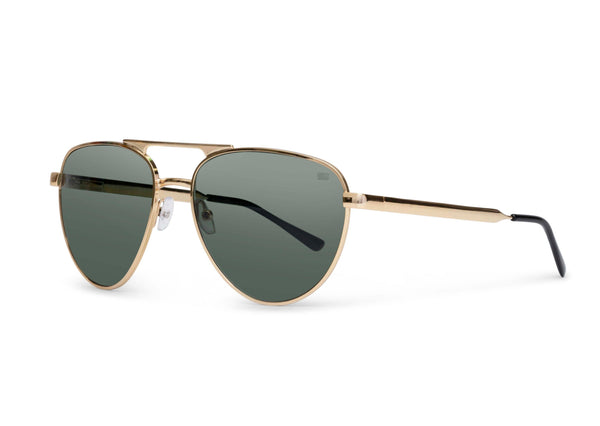
Dara Aviator Gold Sunglasses
$127.00
Plaid Corduroy Patchwork Pocketed Button-Up Shacket
$23.60
Fleece Long Sleeve Oversized Sweatshirt
$12.99
Leopard Patchwork Zip-Up Collar Mini Dress
$25.09Read next
More from On the Road
The Storm Forty Miles Out
On the high plains the storm is visible for an hour before it arrives — lightning with no sound, and the smell of rain coming up the road ahead of it.

The Hot Spring After Dark
The road ends in sagebrush and the pool waits in the dark, steaming against a cold sky.

The Ones Who Stay for the Fog
Along the north Pacific coast, summer arrives as a gray wall on the afternoon wind, and the people who live there count on it.