
The first lunch outside
The coat left in the car, a bench still wet, sleeves pushed up — and the shadow that comes for the bench before lunch is done.
The morning had been winter in full — breath showing, the windshield glazed along its bottom edge, the ground so hard that footsteps rang. But around eleven the wind laid off, and the sun, thin and yellow, put down real heat on the south side of the building, and a dry line began to creep out from the foundation. The puddles went down fast. What had been mud on the gravel path grew a skin. By noon the air over the pavement was a different temperature from the air over the grass, and the shadow of the wall was a different season from the three feet of ground outside it.
The coat in the car
At twelve the doors opened, and the people coming out did not hurry. They came down the steps and stopped, and at the bottom of the steps something got negotiated. A man walked to his car, opened the passenger door, and stood bent over it. The coat was on the seat. He looked at the sky, which was doing nothing to help him decide, and shut the door, and walked toward the bench with his coat still in the car. It took him a few steps to loosen. The shoulders came down. The walk turned into something like drifting.
The bench was still wet. It had taken the morning rain and, before the rain, the snow, and the wood was dark and beaded. He wiped it with his palm; the water stood again. He sat anyway. The cold climbed through the fabric of his trousers and laid a line along the backs of his legs, and he shifted, and then he stopped shifting, because the sun was on his face and his forearms and his thighs, and the trade was fair.
Others made the trade with different terms. A woman carried her coat out over her arm and set it on the bench beside her, like someone she was keeping an eye on. A man sat on the low wall at the end of the walk, shirtsleeves, jacket folded on his lap. Another woman took the only stone in the sun at the edge of the dry fountain, set down her lunch, pushed her sleeves up past the elbows, and turned her forearms over — first the pale undersides to the sky, then the backs, slowly, as though the skin were reminding itself what it was for.

The benches and the wall filled the way thaw fills a morning — one patch, then a longer patch, then everything given over. By half past twelve, coats lay bunched at the ends of benches, and a jacket lay on the ground where someone had dropped it, in the dry, and no one had said a word about any of it.
The reach of the March sun
The sun had a short reach and a long one. The long reach covered the parking lot and the grass beyond. The short reach went down about a foot. The air at face level was warm enough to eat in; the air in the shadow of the utility shed was still January. People sat with their backs to the wall and their faces to the sun, and the line of shade ran straight across the walk, and everybody had chosen the correct side of it without any discussion.
The chairs were stacked plastic, wintered in the weather, and they conducted cold in the shade and gave back heat where the sun worked. The metal tables did better — the metal gathered the sun and returned it upward, against the undersides of forearms. It was an hour for being close to anything that had been warmed. No one said anything about it. Everyone arranged for it.
The scene had rearranged itself toward the light. A truck at the light idled with its windows down, and music came out of it that had not been audible since before Christmas. Someone crossed the lot wearing sunglasses. The bare trees at the edge of the gravel stood against the blue in a way that suggested something, though nothing had happened to them yet. The snow in the narrow strip along the north fence had grayed and sunk, and a dark line of soak ran under it. The air smelled of wet gravel and dry pavement and cold earth beginning to give back warmth — not the green smell of April, but the smell of frozen ground letting go its hold.

The eating changed shape. Sandwiches came out of paper sacks and plastic clamshells; one man wrestled the lid off a tin of soup and ate it with more attention than soup usually earns; a yogurt cup went around. But nobody was in a hurry, because being done meant going in. A woman at the far bench held her paper cup in both hands and looked out at the parking lot, not at anything, and no one got up.
The corner of the building
The change came at a minute, not a slope. Twice during the meal the sun had gone behind a cloud, and twice a chill ran across the benches, and twice the sun came back, and the chill was forgotten. The third absence was not a cloud. The sun had reached the corner of the building — the same corner it had been moving toward all month — and it went behind it.
The shadow, which had been holding flat against the wall all afternoon, leaned out across the pavement. It crossed the gravel. It crossed the painted line. It reached the bench.

The cold returned as an absence, which is what cold is. It came up from the bench through the wet, and it came down from the sky, and the two met at the ribs. The sun, a moment before a full presence, was now a patch of brightness on the upper wall, doing its work where it could no longer help anybody.
The man whose coat was still in the car sat in the shade and looked at his forearms. They had been warm; they had been the point. Now the hair stood along them, and he looked at them as though they had betrayed him. He crossed his arms and leaned forward, as if negotiation remained possible, but the sun had moved to the grass, bright and low and useless to him. He got up and walked to the car. He did not run. Running would have admitted something.
Others took the long way around the building to the side that still held sun, walking fast, lunches done. A few simply went in, carrying their coats properly, and the door swung behind them. The bench was dark again in the shade — whether the damp had come back up through the wood, or the shadow had made visible what had been there all along, came to the same thing.
All month the shadow would claim the bench a little earlier each afternoon, and this first sitting would be the one the other afternoons were measured against.
From the shop
Picked for this story
Aztec Waves Long Sleeve Top
$46.00
Tomorrow's Forecast Hooded Windbreaker
$22.95
Stroll With a Friend Wide Leg Pants
$57.00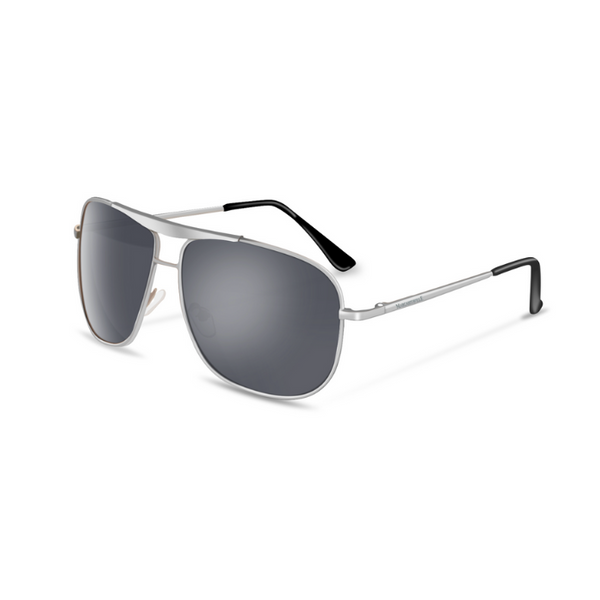
Tiki Tide Sunglasses
$29.99
Little Details Trim Detail Top in Black
$29.00
Life Like This Dolman Long Sleeve Top
$39.00
Mermaid Dreams T-Shirt
$29.99
Vintage Ghosts Tee-Shirt
$29.99Read next
More from Moments
The Day the Windows Open
One March morning the furnace shuts off on its own, the first window goes up, and the sealed winter house begins to let go.

Rain Boots by the Back Door in Mud Season
The pair of black rubber boots hold March in layers of dried mud on the newsprint by the back door.

A Super Bowl Sunday by the Clock
The folding chairs came from the church hall, the slow cooker had been on since morning, and the drive home was cold.